Rabies Vaccine
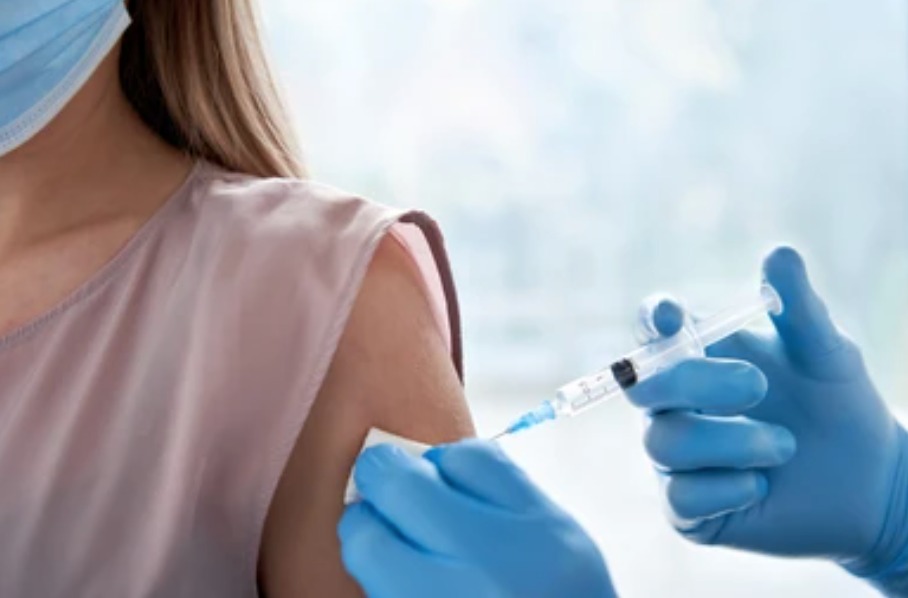
We offer Rabies vaccination prior to travel to safeguard against the potential risks of Rabies, particularly if you are visiting Asia or Africa. The Rabies vaccine is an inactivated vaccine administered via injection into the upper arm’s deltoid muscle.
We offer a wide range of travel vaccinations with locations across the UK. Whether you need vaccinations for travel purposes or for work, we are here to help you. We offer free travel consultations so you can travel safely and confidently.
£65 per dose
From birth
3 doses required
Free Travel Consultations
Stay protected during your travels with our Travel Vaccination Consultation. Our expert medical team will guide you on essential vaccinations, helping prevent diseases uncommon in the UK. Learn how to minimise the risk of exposure and ensure a safe and healthy journey.
Travel Vaccinations
What is Rabies?
Rabies, caused by the Rabies lyssavirus, is a viral infection prevalent in over 150 countries across the world, with the exception of Antarctica. While Rabies exists worldwide, 95% of all deaths related to this disease occur in Asia and Africa. It disproportionately affects poor rural and remote communities, accounting for 80% of reported cases.
The transmission of Rabies to humans occurs through bites, scratches, or licks on open wounds from infected mammals. It is crucial to note that Rabies is a severe but preventable disease, and if left untreated, it is almost always fatal. Shockingly, around 29 million individuals receive post-exposure treatment each year.
The incubation period for Rabies varies, typically manifesting symptoms between 2-3 months after exposure. However, it can manifest as quickly as one week or even take as long as 18 years. Early symptoms may include a high fever, unexplained pain, and tingling around the wound site. As the disease progresses, the virus spreads to the central nervous system and spinal cord, causing progressive and fatal inflammation.
Types of Rabies and their Syptoms
There are two forms of Rabies: furious and paralytic. Understanding the symptoms of each type is essential in recognizing the disease and seeking prompt medical attention.
- Furious Rabies: Symptoms of furious rabies include excitability, fear of water (hydrophobia), and fear of fresh air (aerophobia). Death occurs a few days after the onset of symptoms.
- Paralytic Rabies: Paralytic rabies is a slower form of the disease characterized by widespread muscle paralysis. This gradual paralysis eventually leads to a coma and, ultimately, death.
How is Rabies Contracted?
Rabies is a disease that affects mammals and is primarily transmitted through the saliva of an infected animal. In approximately 99% of cases, infected domestic dogs are the source. However, Rabies can also be present in wild mammal populations, such as monkeys.
Regardless of intent, travelers to any region with reported Rabies cases are at risk. Engaging in high-risk activities, such as working with animals (including bats), increases the chances of contracting Rabies. However, it is essential to note that the majority of cases occur through unprovoked attacks from household animals like dogs and cats. Any incident involving an unprovoked attack should be considered serious, and immediate post-exposure treatment (vaccination) should be sought.
What should you do if exposed to Rabies?
If you suspect you have been exposed to Rabies, it is crucial to seek medical attention as soon as possible. Prompt action can significantly improve the outcome of post-exposure treatment. Follow these steps:
- Thoroughly wash the wound with soap and water, and then disinfect it with a 40-70% alcohol or povidone-iodine solution.
- Cover the wound with a simple dressing to prevent bacterial infection, but refrain from stitching it until post-exposure treatment has been initiated.
- Consider antibiotic therapy to prevent wound infection and ensure you are up to date with tetanus vaccination.
- If you have not previous been vaccinated against Rabies, it is crucial to act swiftly to obtain the necessary treatment. A course of four Rabies vaccines should be administered over a three-week period. Depending on the wound location and the known Rabies status of the animal involved, live rabies antibodies may also be administered.
Rabies Vaccination (pre-exposure)
The Rabies vaccine is an inactivated vaccine administered via injection into the upper arm’s deltoid muscle. A typical course of the Rabies vaccine, such as Rabipur, consists of three doses spread over three to four weeks. If you have immediate travel plans, don’t fret. Our experienced pharmacists can expedite the immunization process, ensuring completion within just seven days. However, please note that a booster dose will be required after one year.
Upon completing the initial course of three to four injections, an average traveler is protected for approximately ten years. Additional protection can be achieved through a single booster dose when required, providing another decade of coverage.
Precautions and Side Effects
Rabies vaccines, such as Rabipur, are considered safe and effective. Adverse reactions are infrequent and limited to mild symptoms. These may include injection site reactions such as a sore arm, redness, swelling, or tenderness. Some individuals may experience a low-grade fever (above 37.5°C), fatigue, or tiredness. These symptoms usually resolve within a few days and can be managed with paracetamol or a cold compress. For detailed information on adverse events, please refer to the patient leaflet accompanying the vaccine.
How much do Travel Vaccinations cost?
Yellow Fever Vaccine (Includes Certificate)
£95
Hepatitis A (Booster after 6-12 months)
£50
Typhoid (Covers for 3 years)
£50
Diptheria, Tetanus & Polio (Covers for 10 years)
£50
Malaria Tablets
£25
Hepatitis B (Course of 3 vaccines – £195)
£65
Rabies (Course of 3 vaccines – £195)
£65
Japanese Encephalitis (Course of 2 vaccines – £250)
£125
Meningitis ACWY (Covers for 3-5 years)
£75
Cholera (Course of 2 vaccines)
£95
Whooping cough vaccine (Pertussis) (Pertussis combined with D/T/P)
£75